 Menu
Menu Location Info
 Contact Us
 Careers
 The Mario’s Difference
 Blog
Blog Reviews
GIVE THE
Gift of Flavor!
Gift cards are available in any amount in any restaurant or on our app


Prices shown reflect a discounted CASH PAYMENT option. If payment is made via CARD, a 3% processing fee will be added at time of checkout.

View menu and more
Orders placed through Doordash
will not be eligible for loyalty points.
Thank you!
In the Charlotte or Hickory areas? Visit our sister restaurant, Tony’s Pizza!
and we love to share!
Category:
Pizza
With just a few simple ingredients, you’d think learning how to make pizza dough should be easy. While mixing up ingredients is uncomplicated, mastering the techniques can be challenging. Instead of a disappointing pizza crust, stop by Mario’s Pizza, where we consistently make delicious NY style pizza.
However, if you still want to give it a go yourself, we’ve listed some tips below to make the best pizza dough!
Search for pizza dough recipes on the internet, and you’ll find plenty of options. After all, pizza dough only requires 4 common ingredients:
Sometimes, certain types, like NY style pizza, may require a few other substances. Adding these ingredients changes the texture and flavor:
Once you’ve assembled your ingredients, follow these steps to make pizza dough:
Of course, these instructions appear easy. However, it can take years to perfect the techniques necessary to produce pizzeria quality crust. Hydration levels, kneading, fermentation, and oven temperature will all affect your final product. Often, inexperienced home cooks make mistakes when preparing pizza:
Pizza dough requires a high-protein flour to create the gluten structure necessary for the correct crust density. Using the wrong type of flour can result in hard-to-handle dough and inconsistent pizza crust texture.
Mixing 4 ingredients doesn’t appear to be too difficult, but the order can affect your final product. For example, when making NY style pizza, adding oil too soon can prevent the flour from fully hydrating. This will affect the formation of gluten and your pizza crust’s texture.
Salt is another ingredient that chefs debate about adding at the proper time. This ingredient strengthens the gluten structure and affects yeast.
Adding it in the beginning causes gluten bonds and fermentation to occur slowly. Typically, this results in a longer proofing time, allowing more complex flavors to develop.
Alternatively, adding salt later in the process provides a faster rising and stronger gluten structure. This makes the dough easier to work with, more pliable, and ready to use sooner.
Proper kneading is essential for the perfect pizza crust. Typically, over-kneading is not a problem for the home baker, but common when using a professional mixer.
Interestingly, both over- and under-kneading result in a dense crust, but for different reasons. Under-kneading fails to allow gluten to fully form, while over-kneading overdevelops the gluten. A well-kneaded dough will be smooth and will bounce back quickly when poked with a finger.
Proofing allows the yeast time to consume the sugar in the flour, producing carbon dioxide and other byproducts. This fermentation process also breaks down gluten, fills the dough with bubbles, increasing its size, and adds flavor.
Under-proofed dough is too elastic and resistant, making it challenging to stretch into a pizza shape. Comparatively, over-proofed dough produces a sticky mass prone to tearing.
A rolling pin works great for a fruit pie, but not a pizza crust. That’s because rolling out the dough squeezes out all the carbon dioxide gas produced during the rising. Instead of a light, airy pizza, you’ll get a thin, cracker-like crust. If you want an airy, NY-style crust, we advise hand tossing your pizza which is an art in itself!
Do you have other questions about how to make pizza dough? Below, we respond to a few questions home cooks have about making pizza pie.
Some jarred sauces can contain too much water, which will turn your crust soggy. To test your sauce, scoop up some and observe how it behaves. The perfect consistency will slowly drip off and coat the spoon.
One of the reasons pizzeria pies taste so good is the high oven temperature. Commercial pizza ovens can reach temperatures up to 1000 degrees, while home ovens only reach 550 degrees. Using a pizza stone can help replicate the baking effects of a commercial oven.
It’s disappointing when you’re craving delicious pizza, and you make one of the mistakes outlined earlier. Instead, opt for Mario’s Pizza, where you get delicious food every time. Our customers’ feedback illustrates that our customers agree. Here’s what some of them say:
Despite being in such a good location, I can’t believe I’ve never been here. I stopped by on the way back from Costco to get a 10″ margherita pizza. I watched them make it. It was delicious. I’m sure I’ll be back. – Sarah C. Winston Salem
My husband and I love coming here to get two slices of the pepperoni pizza. It’s always really good and the perfect amount. The place is clean and quiet. The staff has always been friendly and helpful. I definitely recommend it. They serve cheese or pepperoni by the slice! – Jessica R. Winston Salem
Instead of trying to learn how to make pizza dough just like pizzerias, visit Mario’s Pizza. Begin your order by clicking the red or green buttons at the top of the page.
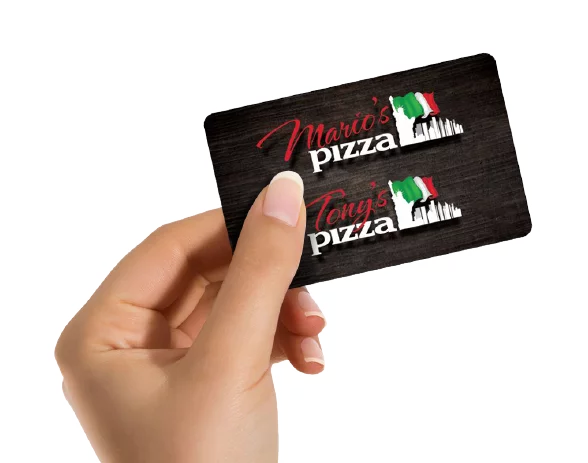
Gift cards are available in any amount in any restaurant or on our app